Home / Roofing Capabilities / Multi-Site Roof Programs
Multi-Site Roof Programs in Chandler, AZ
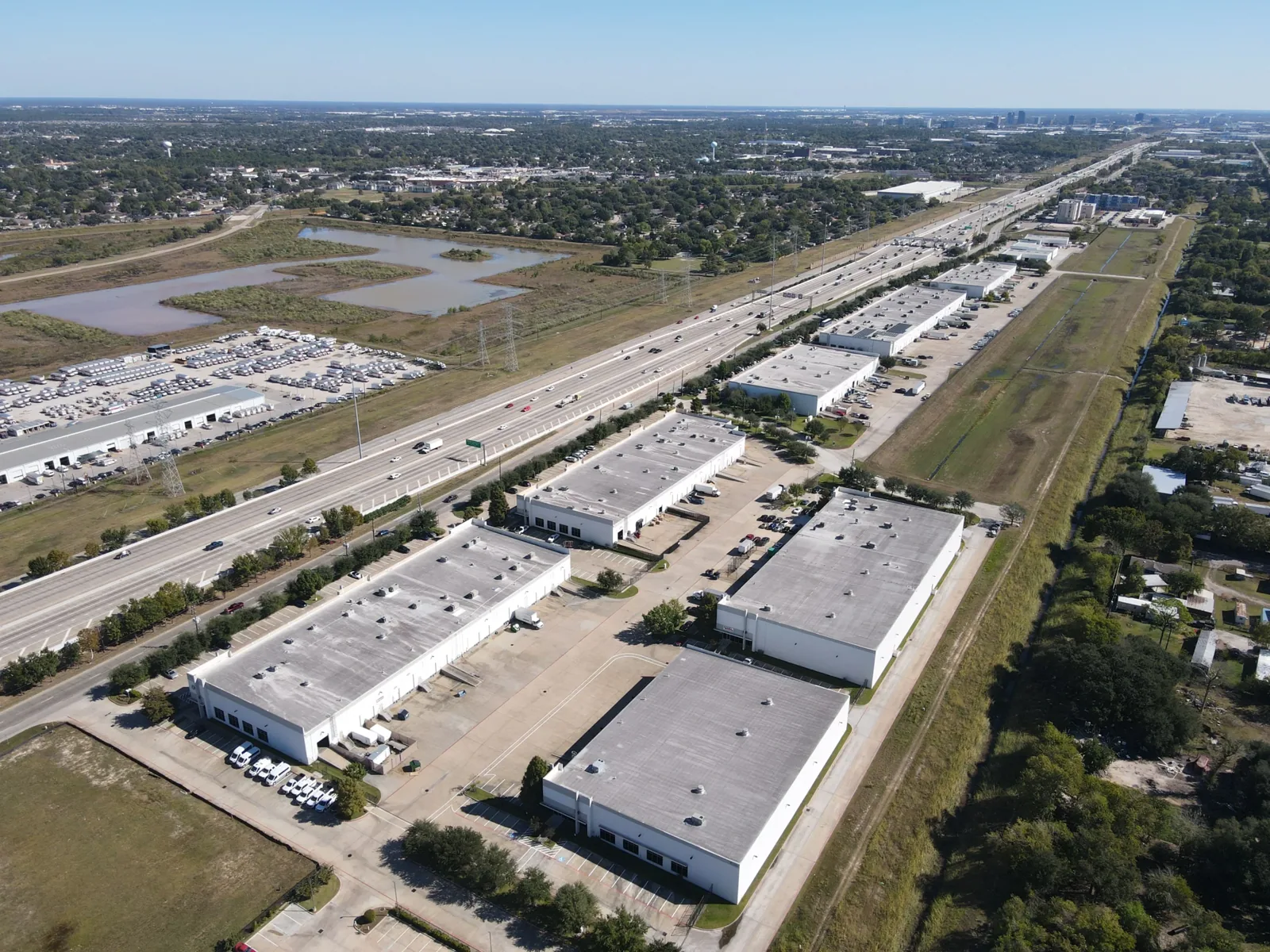
Multi-site roof programs for Chandler, AZ property groups: one point of contact, consistent reporting, and repairs scheduled building by building without one-size-fits-all scopes.
If you manage several hotels, retail centers or office buildings around Chandler, keeping track of every roof is a job in itself. A multi-site roof program gives your facilities team one contractor, one reporting format and one running list of what each roof needs. The point is not to treat every building the same. It is to make each building's roof easy to see at a glance: what was found, what was fixed, what is waiting on approval and what is coming due.
Each property in the program gets its own address, on-site contact, roof plan and open-item list. A separate roof file for each building keeps one hotel's repair history from blurring into another's. That matters when two properties share a brand, a floor plan or even the same street name. When you open the report, you can tell immediately which building needs a tenant notice for access, which one is waiting on your sign-off, and which one is finished for the year.
Setting up each property
We start by listing the buildings in the program and confirming who our contact is at each one, along with your role coordinating the group. Each roof section gets a name that makes sense on site, such as the north wing, the lobby roof or the pool equipment deck. Every photo, invoice and email is tagged to that building. When a crew is sent out, they know exactly which roof they are going to and who will let them up.
Our roof inspection sets the baseline for each building. The report notes which sections we walked and which we could not reach. We do not assume that because one property has a TPO roof, the one down the road does too, or that a repair method that worked at one site will suit another. Each recommendation is based on what we found on that particular roof.
You also tell us what you need from each visit. One building may need an emergency patch, another a permanent repair, another a moisture scan before budgeting. We scope each one separately rather than handing every property the same package.
Different roofs, different repairs
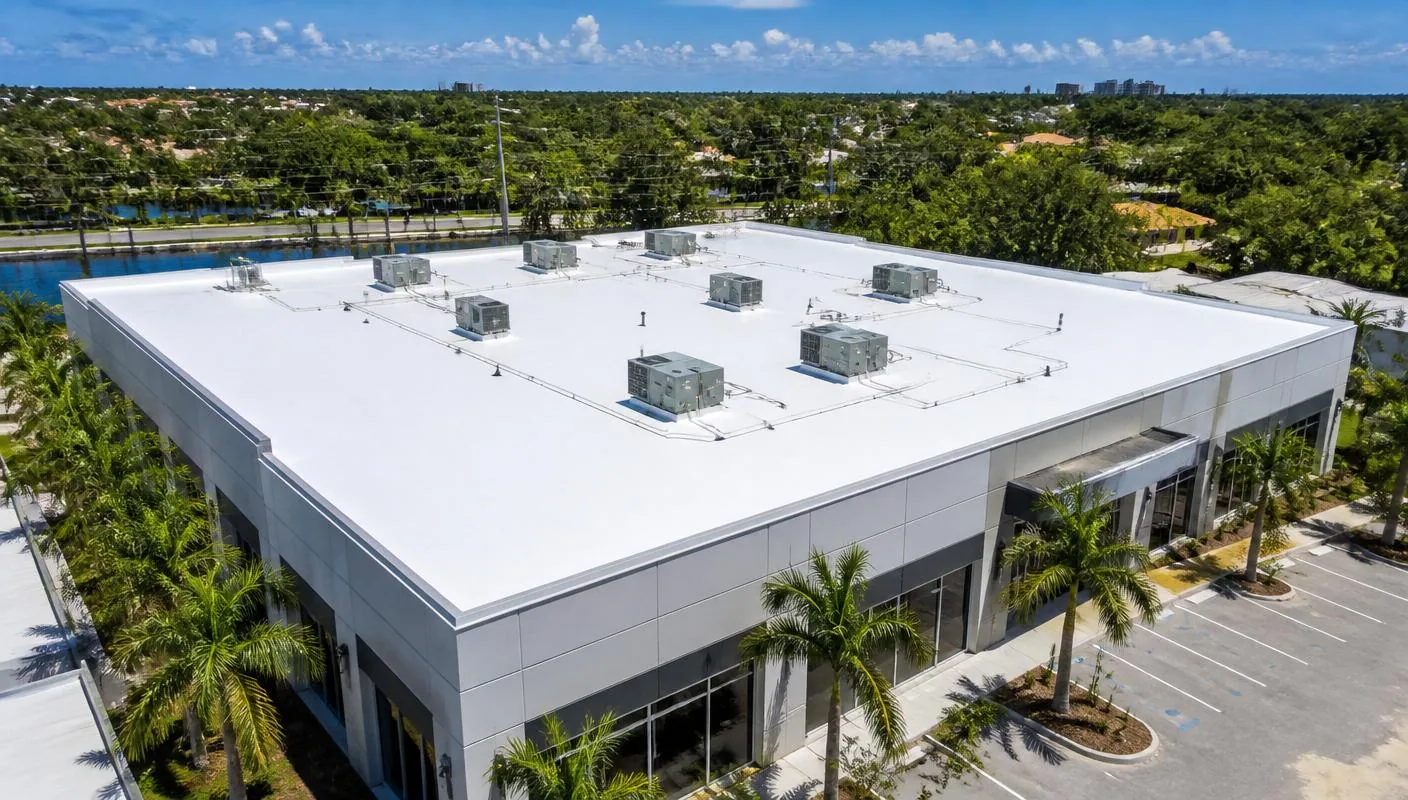
Most portfolios in the East Valley include a mix of roof types: TPO and PVC on newer buildings, EPDM on some, modified bitumen or built-up on older ones, and spray foam on more than a few. A heat-welded TPO seam, a taped EPDM splice and a torch-down lap are repaired with different materials and methods. We identify the system on each roof first. If it is unclear, we figure it out before choosing a patch or a coating.
A commercial roof repair quote from us explains what is wrong, why, and how far the repair needs to go. A single open seam is a small job. Wet insulation, a soft deck or repeated leaks across one section are a different conversation, and we tell you that rather than quoting a patch that will not last. You see the reasoning behind each price, not a flat rate copied across every address.
Reports use the same headings for every building: problem area, recommended fix, open questions and the decision needed. That makes it easy to compare properties side by side without pretending their roofs are alike.
Working around each property
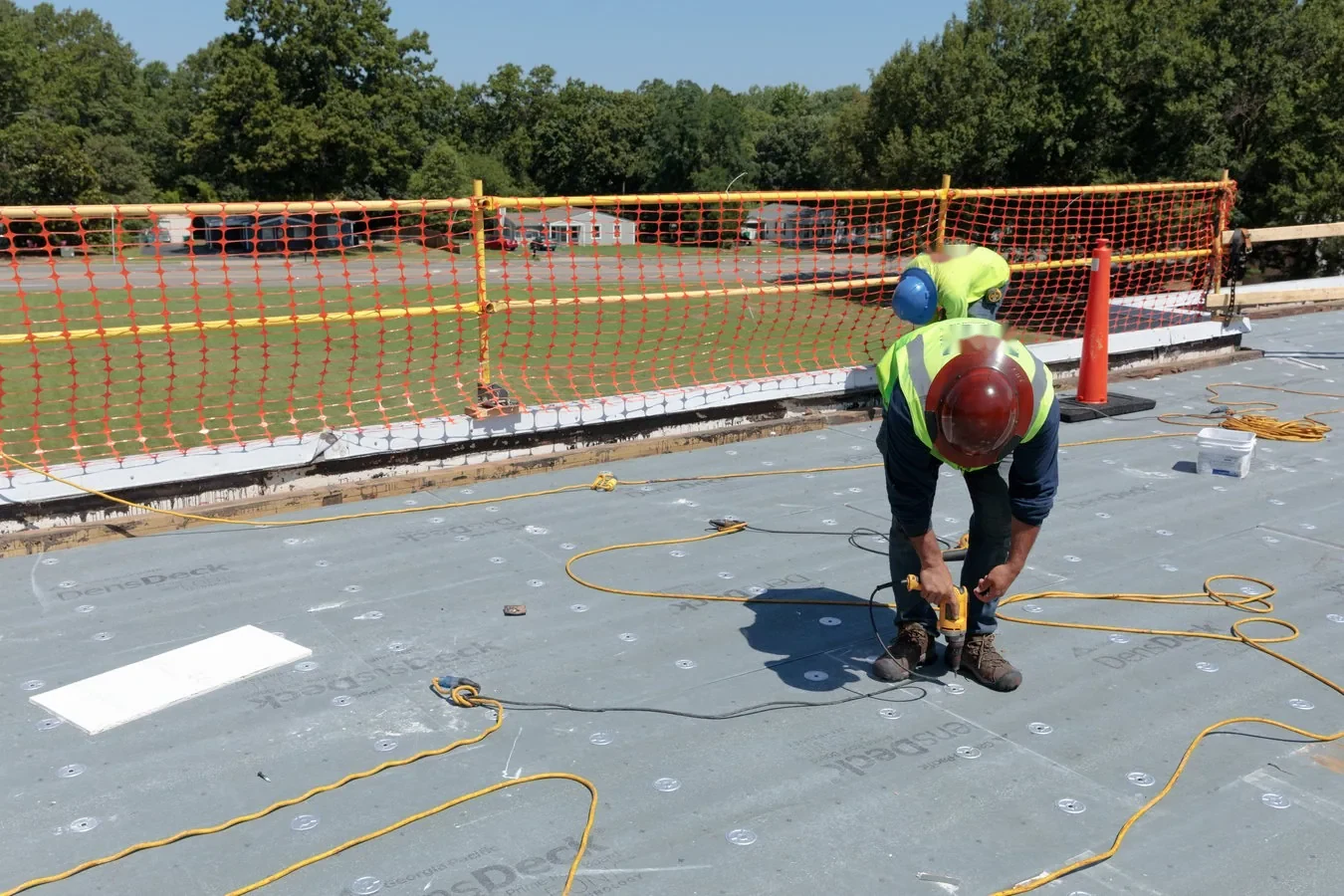
Every building runs differently. A hotel has guests checking in, a restaurant has delivery windows, an office has tenants who do not want noise over the conference room. Before a tear-off or a big repair, we work with the on-site contact to agree on crane or hoist placement, material staging, dumpster location and quiet hours. HVAC and other trades make their own calls on shutting down or moving equipment. Whatever is agreed gets written into that building's work order.
Our occupied building reroofing approach breaks the work into sections that can be fully sealed at the end of each day. We plan those stopping points around the roof itself, not just around a convenient lull in the building's schedule. If one area has to wait on another trade, it gets temporary protection until we can finish it.
Properties in Sun Lakes and elsewhere in the program keep their own local contacts. We confirm access and staging with the person who actually runs that building before any work is booked.
Tracking who does what
Every building in the program has a clear status: inspection requested, testing pending, waiting on approval, scheduled or complete. Each status has a name next to it so you know who owes the next step. You should not need to dig through a dozen email threads to find out why one property has stalled. When a scope changes, we update the status and tell the local contact what they need to do.
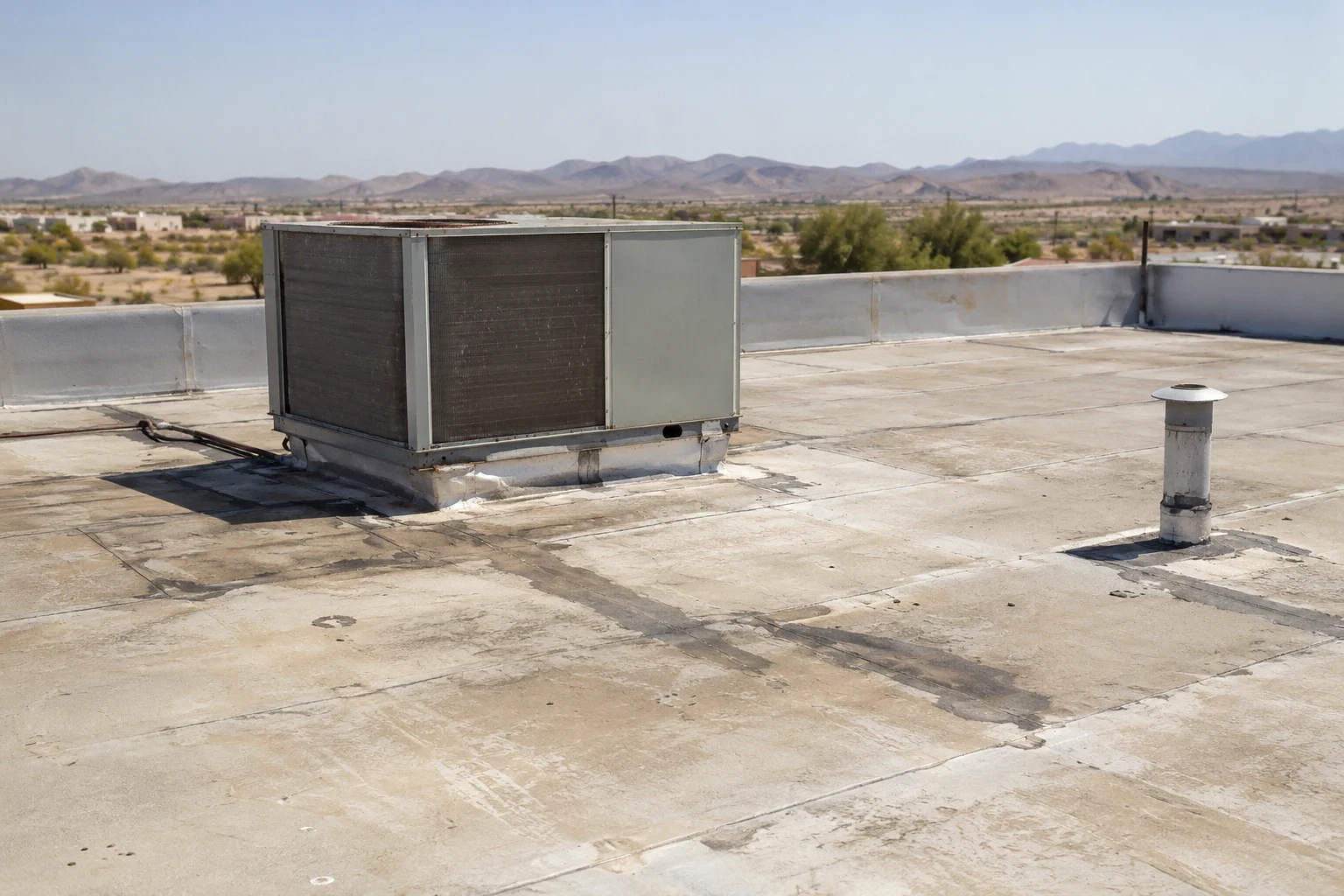
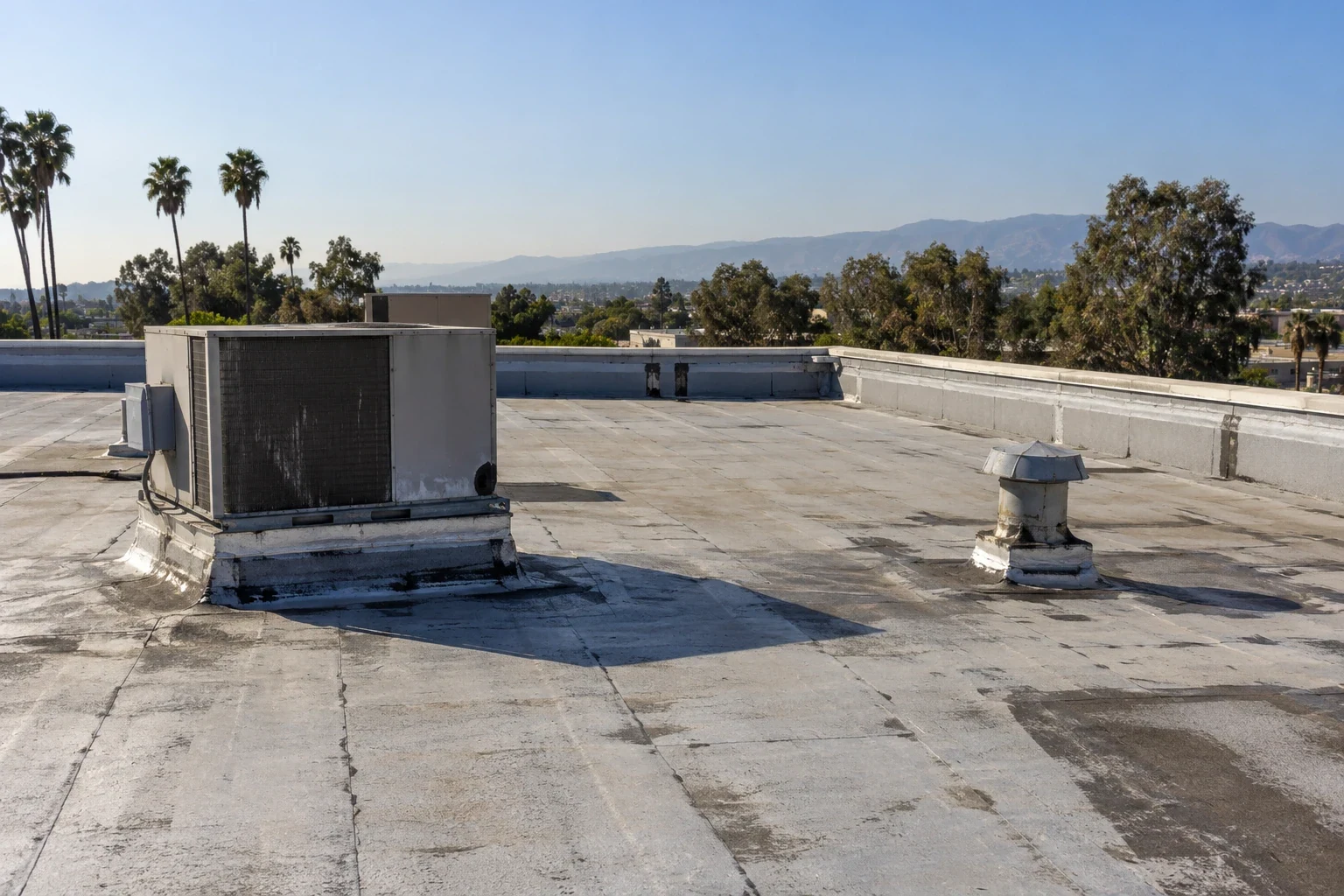
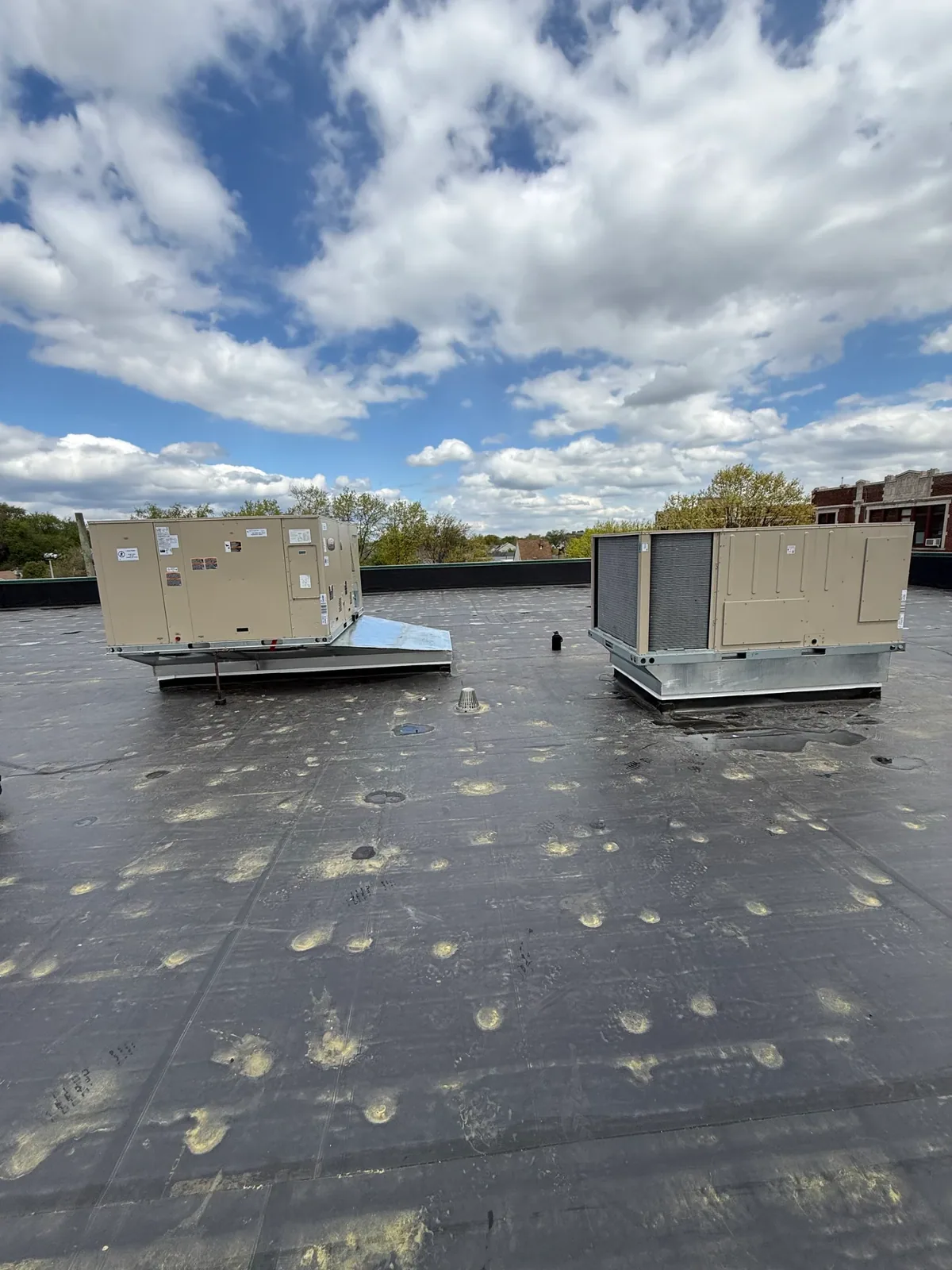
A rooftop equipment and curb review catches work that has to happen before the roofing can be finished. If an HVAC unit is being replaced, the mechanical contractor sets the new unit first and we flash it afterward. Those are two separate appointments, and the report shows both so nobody assumes the curb is sealed just because the unit is running.
When a leak is active, the on-site contact calls in the building, the room and what they are seeing. Photos and updates go into the same file, so you can follow the response from the first call through the temporary patch to the permanent repair quote, using the same approval process as planned work.
Setting priorities across the portfolio
We sort findings into three groups. Active leaks need a quick response and a clear plan. Routine maintenance items, such as clearing drains, resealing pitch pans and tightening loose edge metal, go on a scheduled list. Larger projects need testing and a budget decision. Within each group, we explain where the problem is, what happens if it waits and what evidence backs the recommendation.
A multi-site capital plan separates repairs for this year from replacements a few years out. Two roofs of the same size can carry very different costs if one has wet insulation to remove or a tight site that slows the crew down. Where we have not tested yet, the quantities stay marked as estimates until we have.
Priorities change as new findings come in. A repair might clear up one urgent problem while another section stays on the replacement schedule. We offer night and holiday weekend service, and every emergency visit is logged with what we protected, what is still open and what you need to decide next.
Closing out each job
At the end of each job, you get photos tied to that building's approved scope, including shots of any deck or insulation repairs taken before the new membrane covered them. If quantities changed once the roof was opened up, the photos show why. Any work still waiting on another trade stays open on that building's list. Finishing one hotel's roof does not mark anything complete at the next one.
The next inspection starts from that roof as it stands today. Past repairs are useful history, but they do not prove the rest of the roof is sound. Keeping contacts, records and photos with each building is what makes a portfolio program worth having.
Commercial Roofing Questions
What does each building get in a multi-site roof program?
Each property gets its own roof plan, on-site contact, inspection findings, repair history and open-item list. They share a reporting format, but each building's status is tracked on its own.
Can the same repair method be used at every location?
Only if the roofs are the same type and in similar condition. A TPO seam, an EPDM splice and a modified bitumen lap are repaired differently, so we confirm each roof's system before choosing materials.
Who approves access and staging at each building?
The on-site contact who runs that property. They know the tenants, hours and parking, and other trades decide on their own equipment. A group-wide calendar does not replace local sign-off.
How do you handle HVAC work that has to happen before roofing?
We list the mechanical work next to the roofing that depends on it, with both appointments shown. The curb is not marked sealed until the unit is set and our flashing is finished.
How can I compare roof costs across several properties?
Each quote spells out tear-off, insulation, flashing, drains and prep work the same way. Items still waiting on testing are marked as estimates, so you are comparing complete scopes, not just square footage.
Set up your multi-site roof program
Send us the list of properties and your facilities contacts. We will inspect each Chandler-area roof, give you a consistent report for every building and help you decide what to fix now and what to plan for.
Request a Roof AssessmentAll Roofing Capabilities